Phys.org - 31 Jan 2024 16:33

Physicists from the University of Rostock, the Cluster of Excellence ct.qmat, the Julius-Maximilians University of Würzburg and the Indiana University Indianapolis (IUPUI) have shown for the first time that light can pr...
New Scientist - 31 Jan 2024 02:01

Not only can parrots fly and walk, they can also swing along branches using their beak, in a technique called beakiation
Live Science - 31 Jan 2024 00:28

New James Webb telescope images reveal 19 Milky Way-like spiral galaxies in more intricate detail than has ever been seen before.
Phys.org - 31 Jan 2024 23:50

A team of experimentalists at the Max Planck Institute of Quantum Optics (MPQ) and theorists at the Chinese Academy of Sciences (CAS) has succeeded for the first time in populating and stabilizing a new type of molecule,...
Live Science - 31 Jan 2024 23:26
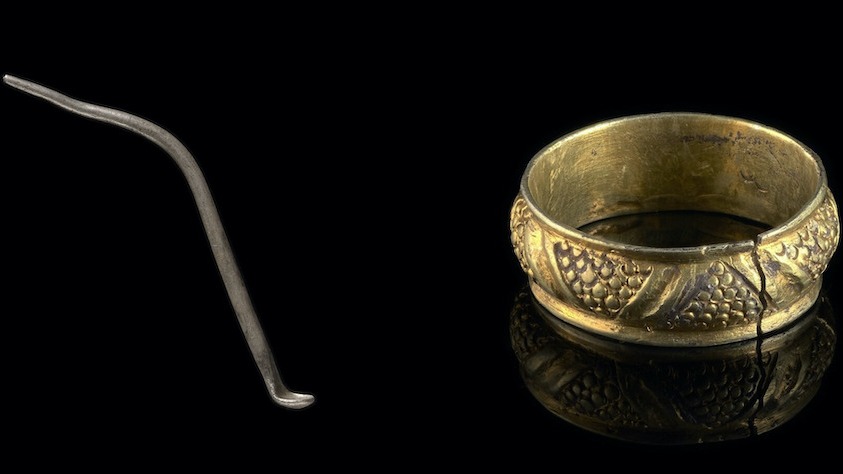
The silver spoon was used to scoop out cosmetics and medications.
Live Science - 31 Jan 2024 23:16

The finding suggests that 'successive pulses of small groups' of humans replaced Neanderthals in Europe starting around 45,000 years ago.
Live Science - 31 Jan 2024 23:12
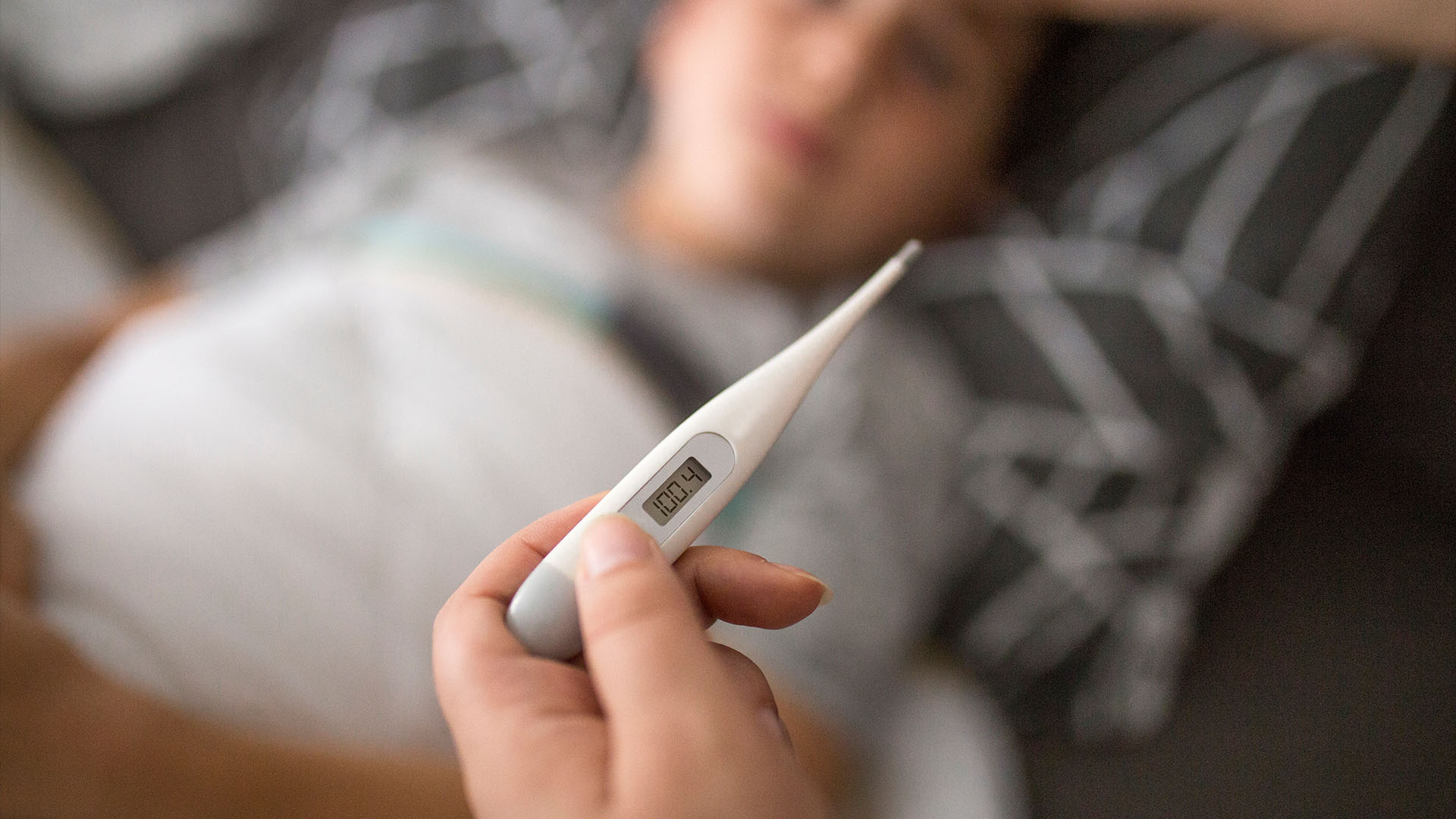
You may have heard that fevers help fight infections. But how, exactly, do they do it?
Live Science - 31 Jan 2024 23:08
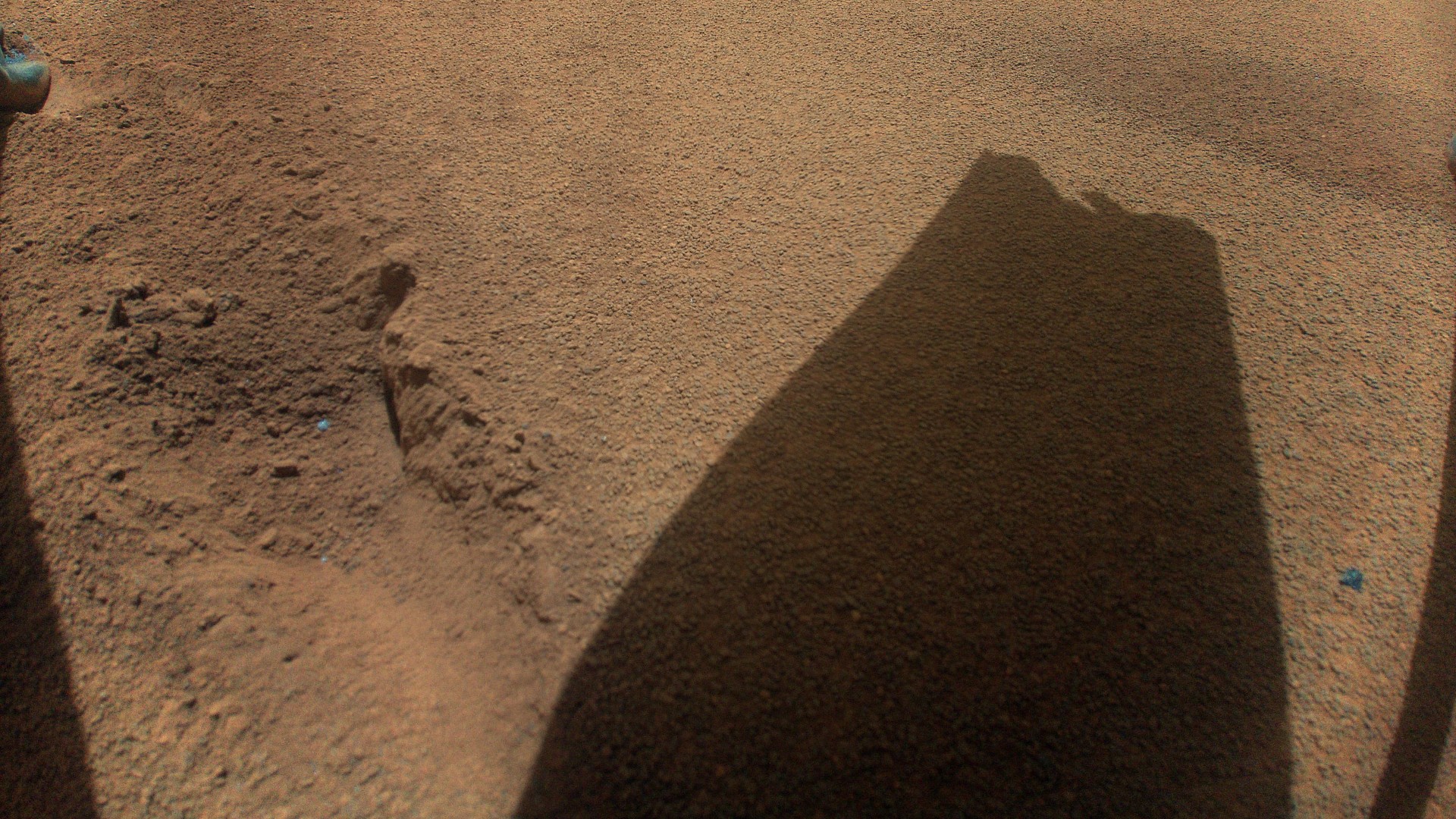
The latest photos from NASA's immobile Ingenuity Mars helicopter reveal the extent of the rotor blade damage it sustained on its fateful 72nd flight.
Phys.org - 31 Jan 2024 23:01

From the minuscule bindings of molecules to the far reaches of space, we're exploring the universe around us by catching sight of the smallest particles of light.
New Scientist - 31 Jan 2024 21:00

A wrist-worn heart tracker called WHOOP detected changes in activity during pregnancy that may be linked to premature births
New Scientist - 31 Jan 2024 21:00

Experiments with a replica suggest that a piece of mammoth ivory with carved holes found in a cave in Germany was used by ancient humans to make ropes
Phys.org - 31 Jan 2024 20:03

In the realm of material science, the phenomena of polarization and polarity have conventionally been associated with insulators. However, envision a scenario where these characteristics could be induced in metals, poten...
New Scientist - 31 Jan 2024 20:00

Leading economist Kaushik Basu's new book argues that we can increase our overall happiness by thinking more clearly
Live Science - 31 Jan 2024 19:08
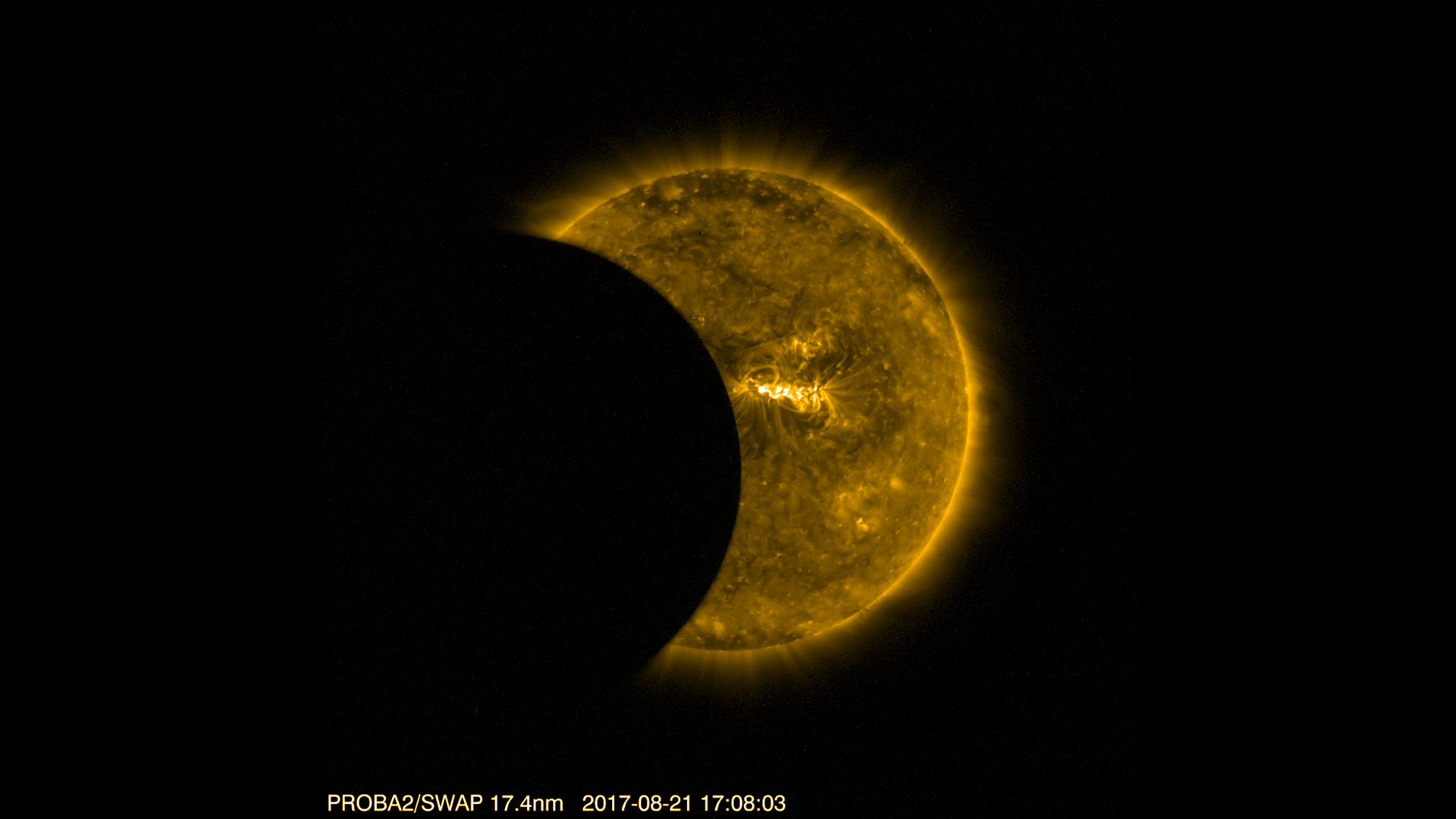
The exact same celestial geometry that will cause a total solar eclipse in North America on April 8 will produce the longest one ever, but not for another 162 years.
Phys.org - 31 Jan 2024 18:55

As demands for computing resources continue to increase rapidly, scientists and engineers are looking for ways to build faster systems for processing information. One possible solution is to use patterns of electron spin...
Live Science - 31 Jan 2024 18:39
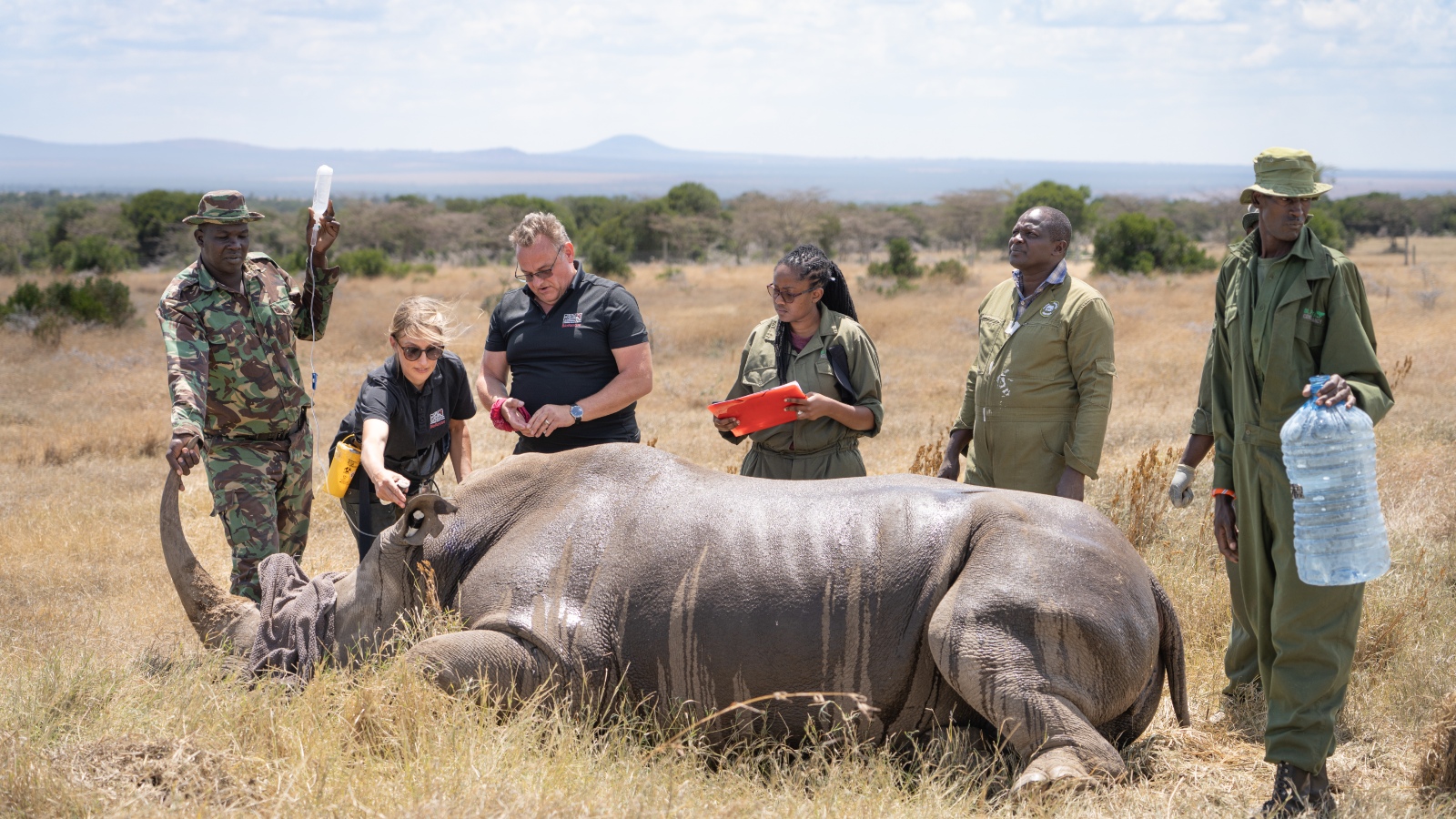
Researchers in Kenya successfully transplanted a white rhino embryo into a female surrogate for the first time. The pregnant mother-to-be died from an unrelated illness before she could give birth, but the procedure show...
Phys.org - 31 Jan 2024 18:18

In contrast to conventional mirrors, light can be reflected on surfaces known as metasurfaces without changing its polarization. This phenomenon has now been proven by physicists at Friedrich-Alexander-Universität Erlan...
Phys.org - 31 Jan 2024 18:08

Superconductivity is well understood in so-called "conventional" superconductors. More recent, however, are unconventional superconductors, and it is as yet unclear how they work.
New Scientist - 31 Jan 2024 18:00

Long-lasting hats, jumpers and watch straps that function as smart devices can be made thanks to a cheap and reliable method of creating conductive fibre that can be woven into fabric
New Scientist - 31 Jan 2024 18:00

Four-atom molecules glued together by microwaves have broken the record for being the most complicated molecule to reach temperatures just billionths of a degree away from absolute zero
Live Science - 31 Jan 2024 18:00
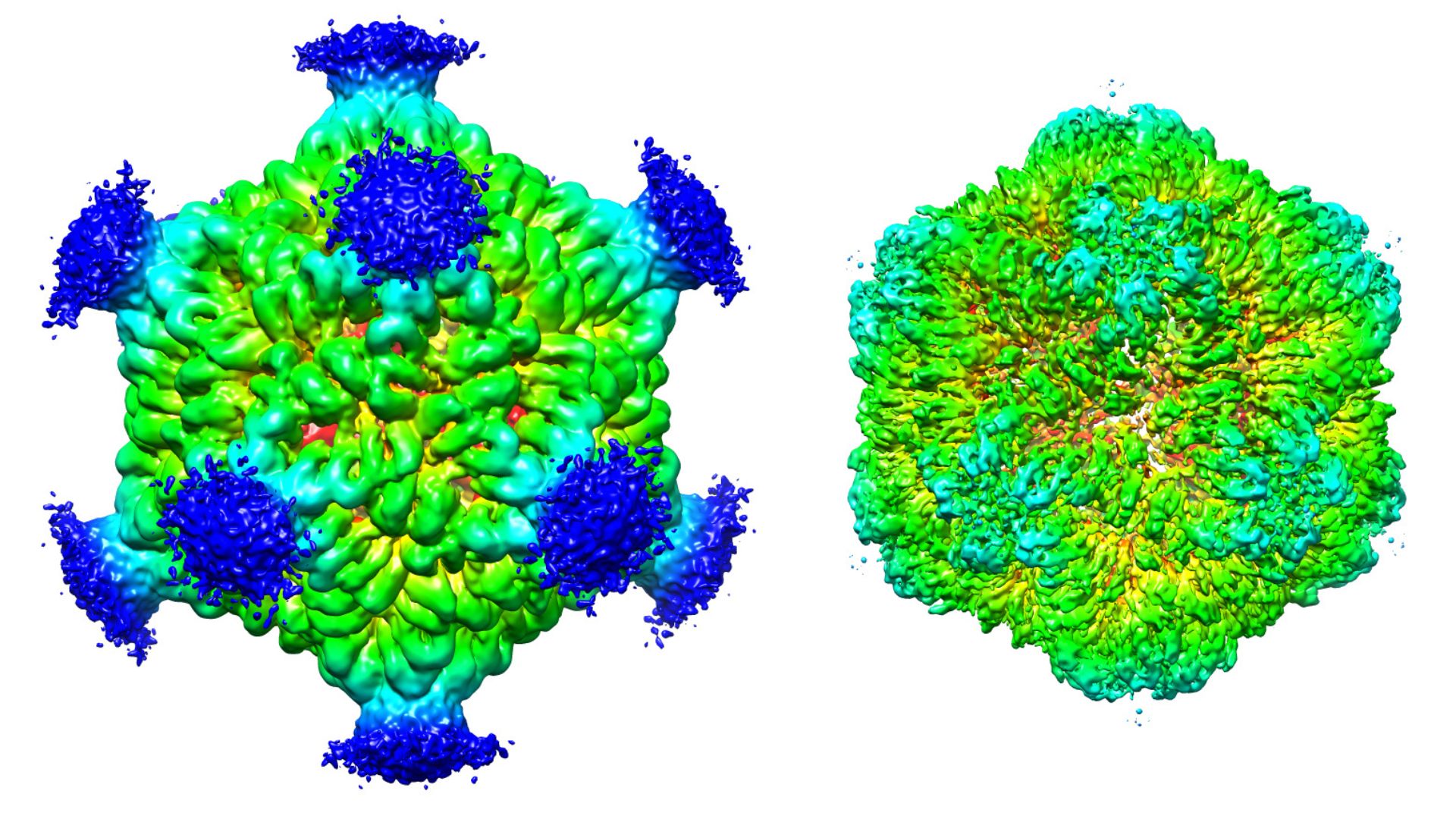
A virus-like protein made by some tumors may be the culprit behind an enigmatic neurological syndrome in cancer patients.
New Scientist - 31 Jan 2024 18:00

DNA from bones found in a cave in Germany has been identified as from Homo sapiens, showing that our species endured frigid conditions there as they expanded across the continent
 American
Science News for 31 January 2024
American
Science News for 31 January 2024
 Global
 Great Britain
 Indian
 South Africa